
Aramid + Fiberglass + PTFE Wire Wipes: A Practical Material Guide for Hot Dip Galvanizing Lines
In hot dip galvanizing, controlling the final zinc coating is not only a quality issue—it is also a cost issue. Excess zinc on the wire surface increases consumption, creates inconsistent coating weight, and may cause downstream problems such as uneven finish and extra dross pickup. That is why many galvanizing lines rely on wire wipes (also called wiping pads or zinc pads) at the exit of the zinc bath to scrape off excess zinc and stabilize the coating.
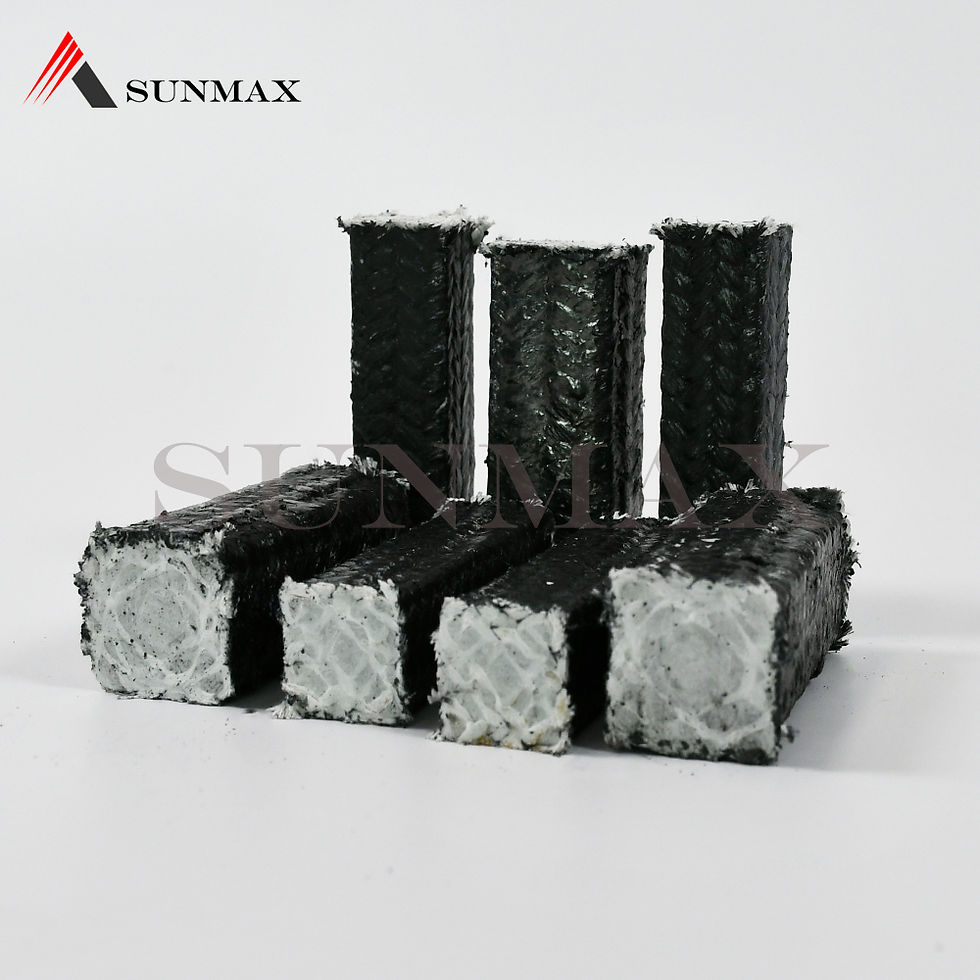
Among multiple material options, aramid + fiberglass wire wipes with PTFE impregnation are widely used because they balance mechanical strength, thermal resistance, and low friction—three factors that directly determine wiping performance and service life.
This article explains, in practical terms, how the aramid + fiberglass + PTFE structure works, what benefits it provides, and how to select the right specification for your line.

1) What a Wire Wipe Does in Hot Dip Galvanizing
A typical wiping system uses a clamping mechanism to apply controlled pressure onto two rectangular pads, with the wire threaded through the middle. The pads contact the wire immediately after it leaves the zinc bath, removing excess zinc and helping achieve a more uniform, commercial-grade coating.
In many galvanizing operations, wire diameters commonly fall in the range of 0.8 mm to 8.0 mm, and coating weights often target typical industrial levels. Stable wiping is essential to keep coating consistent and reduce zinc waste.
2) Why Combine Aramid and Fiberglass in One Wiping Pad?
Aramid (Kevlar®-type fiber): high strength under load
Aramid fibers are known for their high tenacity, excellent resistance to mechanical wear, and good thermal stability. In wire wiping, aramid helps the pad maintain integrity under compression and abrasion, reducing early failure caused by wire friction and line pressure.
Fiberglass: dimensional stability and temperature resistance
Fiberglass contributes temperature resistance and structural stability. It supports the pad body so that wiping pressure stays consistent over time, which helps maintain a stable wiping effect instead of fluctuating coating weight.
The synergy: durability + stable wiping geometry
When aramid and fiberglass yarns are engineered together in a pad, you get a structure designed for long life and constant wiping performance—two of the core characteristics expected from a reliable wire wipe in production.
3) The Role of PTFE Impregnation: Low Friction, Smoother Wiping, Better Consistency
PTFE impregnation is not a marketing add-on; it is a functional upgrade.
According to Sunmax’s product description, special PTFE impregnation reduces the coefficient of friction and increases wiping performance.
What this means for the line:
Lower friction / reduced drag: smoother wire passage through the pads, especially important at higher line speeds or when surface finish must remain clean.
Reduced heat build-up: lower friction helps limit localized heating at the pad-wire interface, supporting stability and pad longevity.
More consistent coating control: stable friction behavior often translates into a more consistent wiping effect, helping operators maintain coating targets with fewer adjustments.
4) Key Performance Benefits of Aramid + Fiberglass + PTFE Wire Wipes
A well-designed aramid/fiberglass/PTFE pad typically delivers the following operational advantages (these align with the standard characteristics Sunmax lists for its wire wipes):
Long lifeStrong fiber reinforcement and controlled friction extend usable time between pad changes.
Lubricated for low frictionPTFE impregnation supports smoother wiping and reduces drag.
High melting point / temperature resistanceFiber selection and structure are built for the thermal environment near the zinc bath exit.
Constant wiping effectThe pad maintains contact behavior and shape, helping control coating stability.
Asbestos free and non-flammableSafer for modern industrial compliance and operator handling.
Size customizationPads can be produced to customer-requested dimensions for different wiping boxes and line designs.

5) How to Select the Right Wire Wipe for Your Line (Practical Checklist)
To recommend an optimal pad structure and density, the following parameters matter most:
A) Wire diameter and product mix
If you run multiple diameters, pads must deliver stable wiping across the range. Typical operations often cover 0.8–8.0 mm wire, so pad selection should match your actual distribution and peak throughput.
B) Required coating target and tolerance
Tighter coating tolerance generally requires pads with stable wiping geometry and predictable friction characteristics. PTFE impregnation can help reduce variability in contact behavior.
C) Line speed and wiping pressure
Higher line speed increases the importance of low friction and thermal stability. The wipe’s material design and density should fit both the speed and clamping mechanism.
D) Pad dimensions and wiping box design
Rectangular pad sizing must match the wiping box, clamping plates, and wire path alignment. Sunmax supports dimensions at customer request, so providing drawings or existing pad samples can speed up correct matching.
6) Typical Use Case: Standard Aramid + Fiberglass + PTFE Wire Wipes
Sunmax’s standard wire wipes are described as using aramid fiber yarns and fiberglass yarns with PTFE impregnation, targeting low friction and improved wiping performance.
If you are currently experiencing any of the issues below, upgrading to an aramid/fiberglass/PTFE structure is often a practical step:
Unstable coating weight (frequent adjustments needed)
Excess zinc consumption and higher dross carryover
Premature pad wear or inconsistent pad life
Surface scratching or friction-related marks at the wiping stage
7) Implementation Tips to Maximize Pad Life and Consistency
Even a high-quality pad benefits from correct operation:
Maintain proper alignment: misalignment increases localized wear and can cause coating instability.
Avoid over-clamping: excessive pressure accelerates wear and may increase friction heat.
Monitor pad surface condition regularly: replace before deep grooves or deformation appears, to prevent coating spikes.
Keep wiping area clean: zinc splash/dross accumulation can affect wiping behavior and pad wear.

8) Why Source Wire Wipes from Sunmax
Sunmax positions wire wipes as a core category alongside gland packings and sealing products, and offers wire wipes made of aramid fiber and fiberglass materials for galvanizing applications.For wire wipes, Sunmax provides key product characteristics (low friction, constant wiping effect, asbestos-free) and supports custom sizing, which is critical when matching different wiping boxes and line conditions.
Call to Action (for the bottom of the blog post)
If you would like a fast recommendation, please share:
Wire diameter range and line speed
Target coating weight and tolerance
Current pad size (L × W × H) or wiping box drawing
Any issues you want to solve (zinc consumption, coating variation, pad life)
We will recommend a suitable aramid + fiberglass + PTFE wire wipe specification and provide a quotation with lead time.


Comments